
Catch the defects before your customers do.
We design, build, and support AI inspection systems for small & mid-sized manufacturers while automating the quality workflows behind them. One station at a time, on your line, around your equipment.
Talk to an engineer →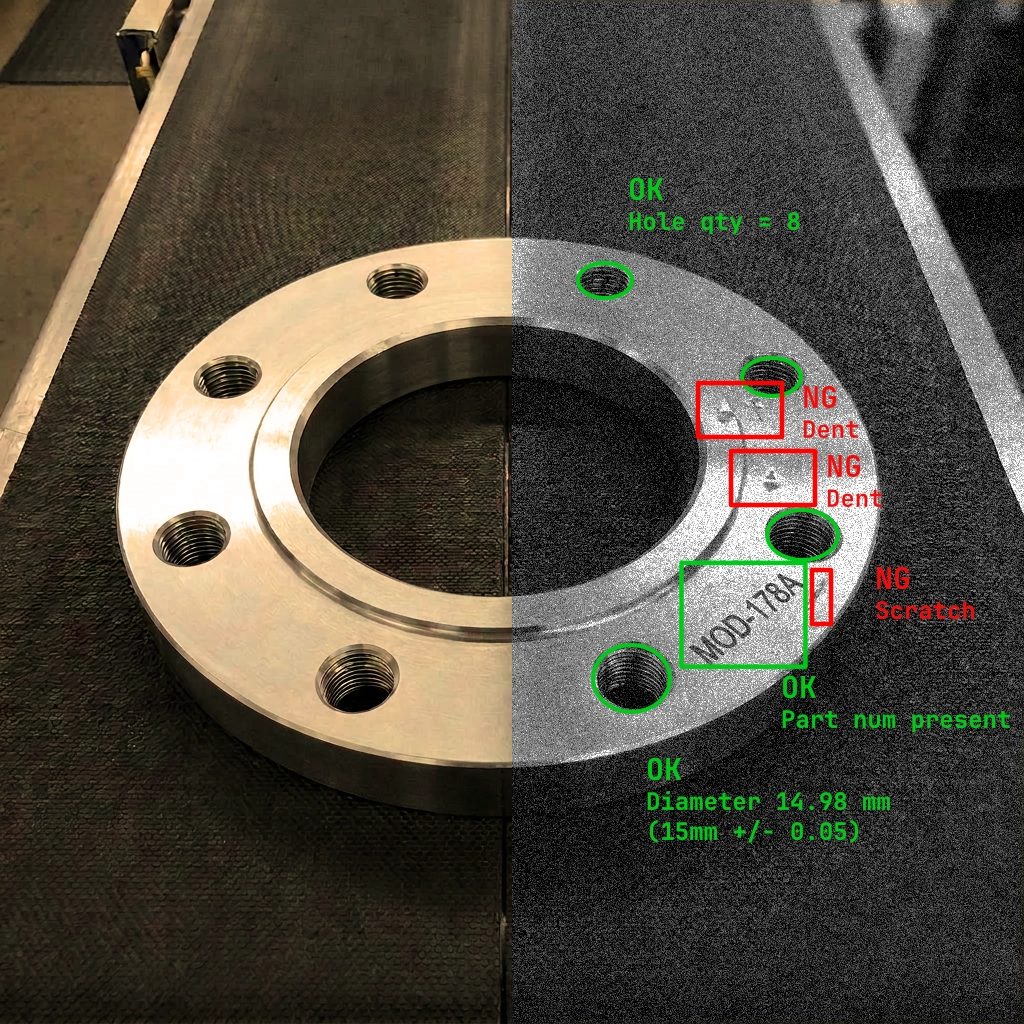
Applications
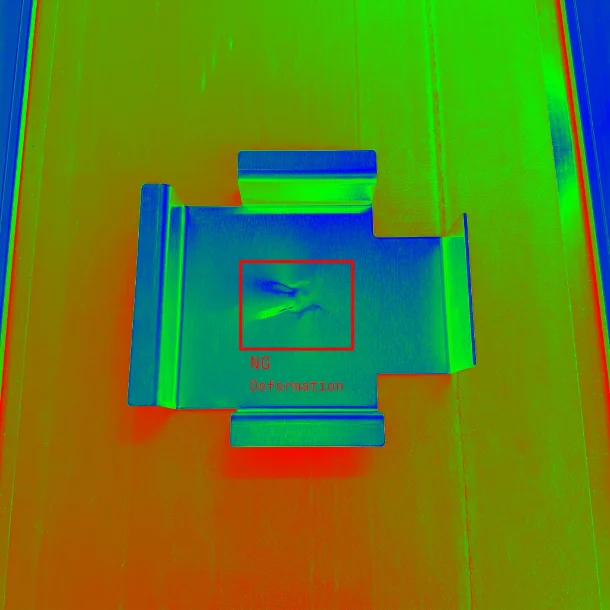 MACHININGSurface & cosmetic defects
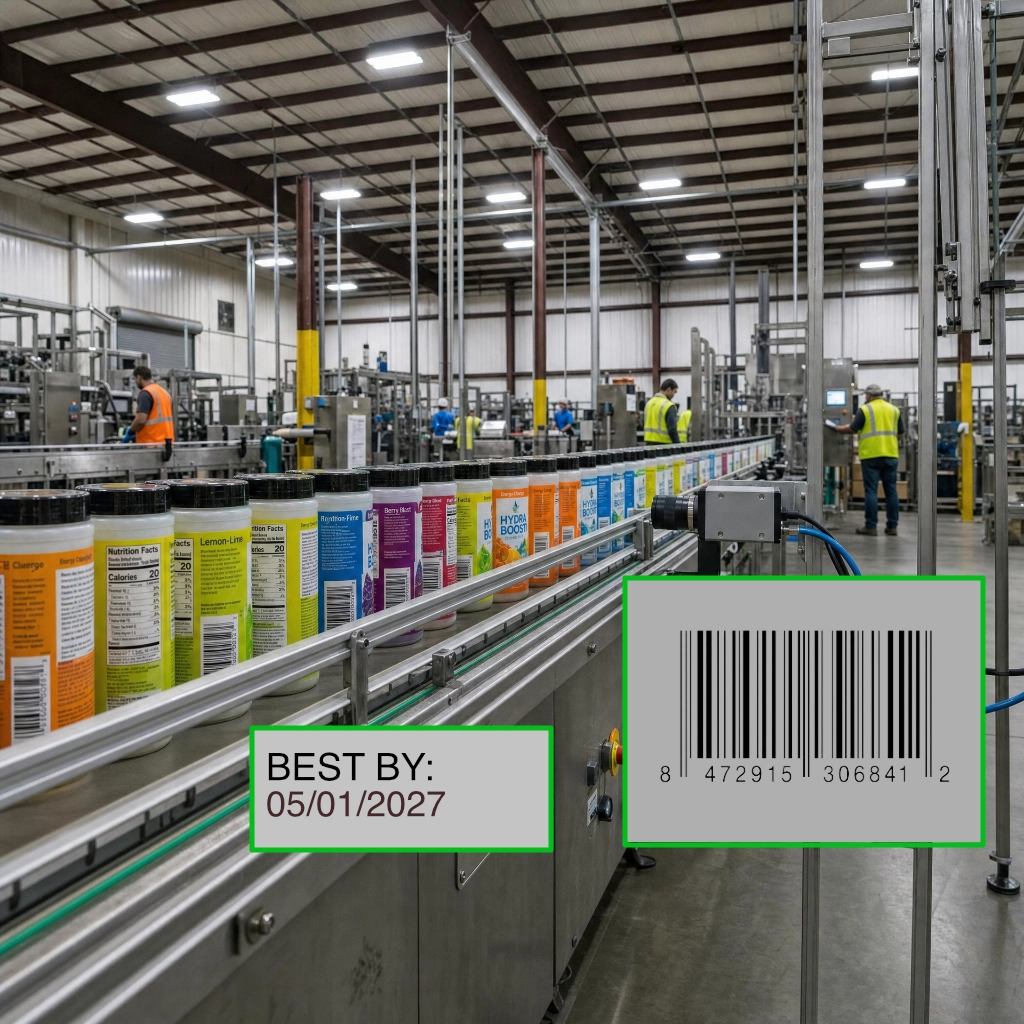 PACKAGINGLabel, print & date-code
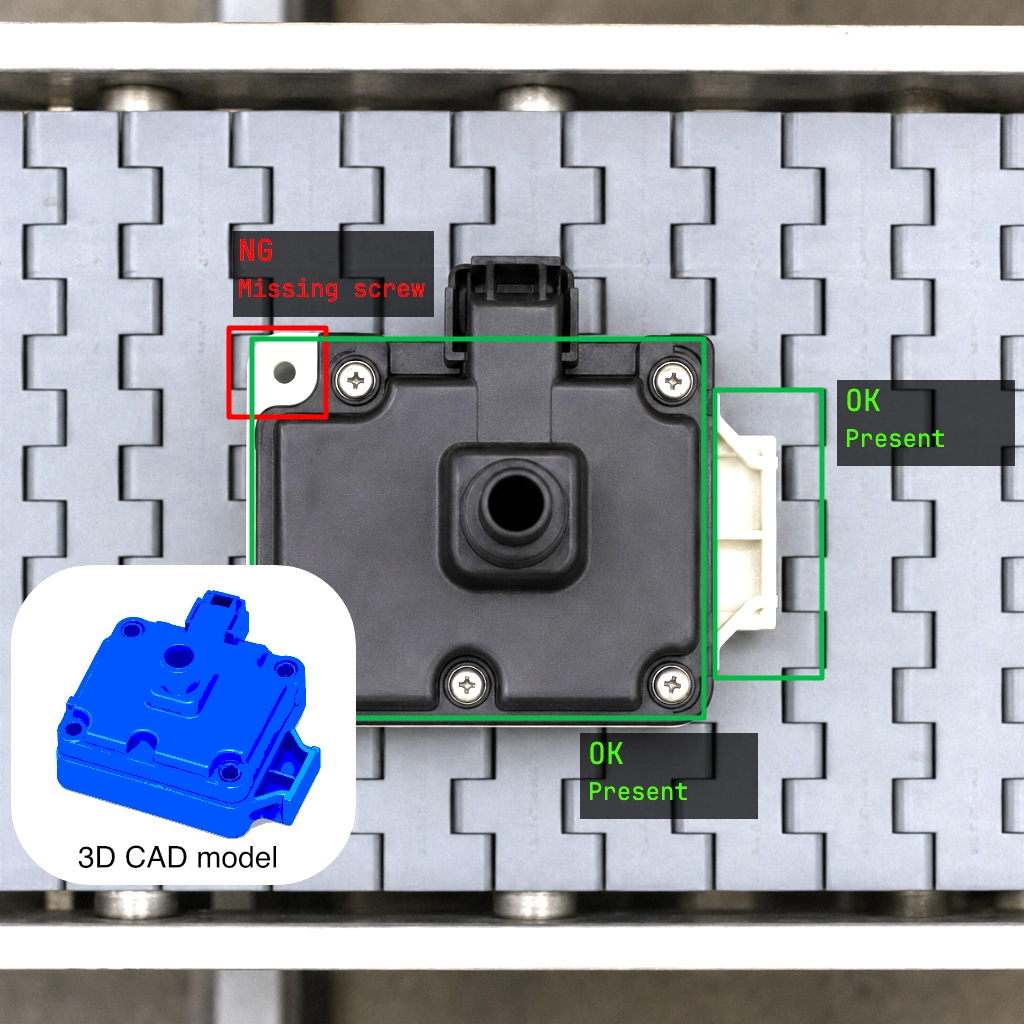 ASSEMBLYPresence & assembly verification
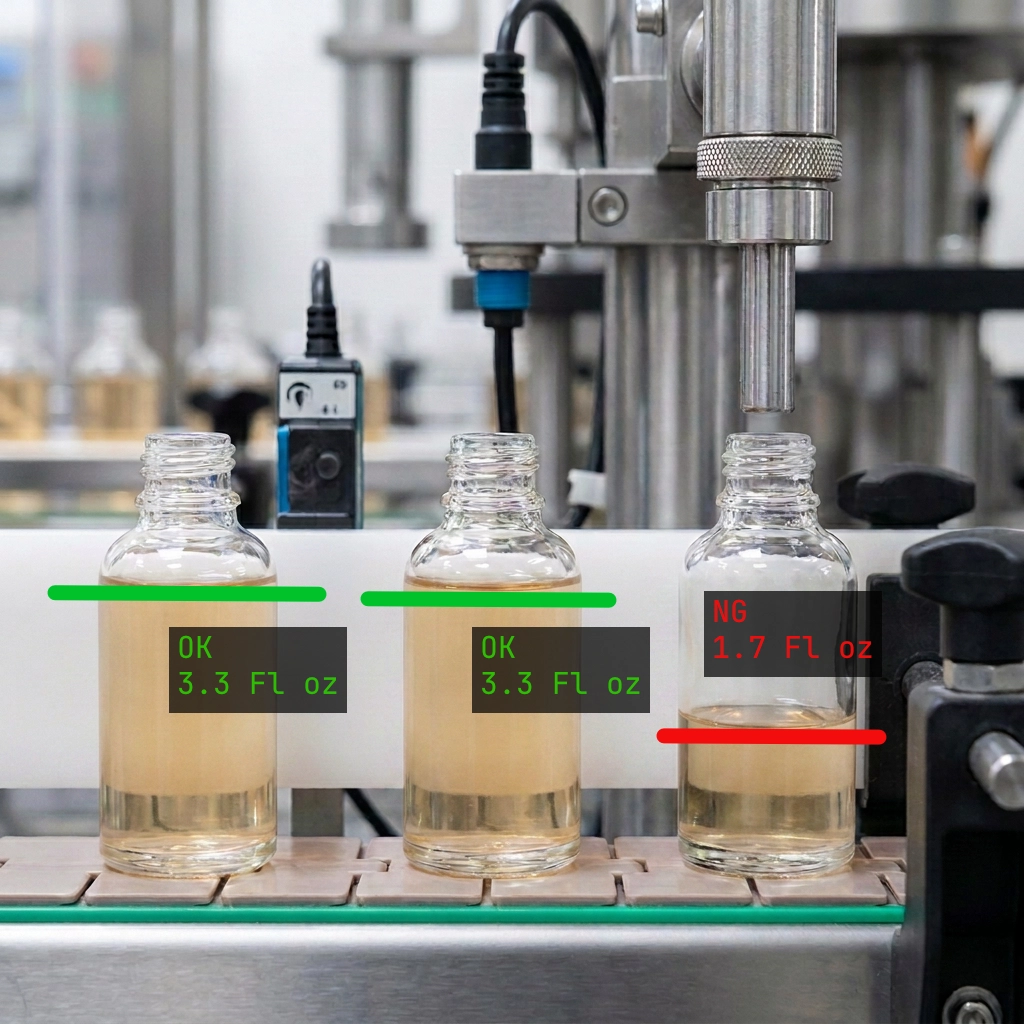 FOOD & BEVFill level & seal integrity
Automate the work that should be automated. No more, no less. The right amount of AI, aimed at the numbers to keep your plant competitive. Get your skilled people on the work that needs them.
Problems we solve
Finding the defect is half the job. The system has to act on it.
We build the software behind the camera. When a defect is found, the system rejects the part, alerts the right person, and logs the record. It ties into the PLCs and systems you already run, and it improves yield the longer it actively monitors your line.
A different kind of integrator
Our core competency revolves around small and mid-sized factory floors. Senior people do the work. No junior staffing, no big-integrator minimums, no line overhauls.
We start with a study, not a sales pitch
A low-cost feasibility study derived from your actual product, before you commit. This makes potential ROI immediately visible. Guesswork is eliminated.
Incremental by design
One station, one workflow at a time, built around the machines and process you already run. No rip-and-replace, no line overhauls. Just a simple path toward efficient returns on the optimization investment.
Boost throughput, not headcount
We automate the roles you can't fill and the checks nobody wants to perform, so your best people stay on high value work.
For growing manufacturers
No big-integrator minimums. Built for your line, based on realistic budgets. Immediate positive impact to your bottom line.
Work with the people who build it
You work directly with the engineers who build your system, start to finish. Faster decisions, fewer delays, smoother rollout.
Reliability that pays for itself
Built with high quality parts, fully documented, no long term contracts. Run it, maintain it, and replicate it across lines cleanly.
A proven process
built around your plant
Every project follows a proven process. Consultation, feasibility, pilot, deployment. Each phase scoped around your production.
Every project is built around payback.
We put real numbers against your line: labor, scrap, and returns. You see what the system could save and how long it takes to pay back.
Not sure this fits your line? The consultation is free.
Tell us the part, the defect, and what it's costing you. We'll give you a straight answer on whether it's solvable, and the anticipated ROI. Response within one business day, on site within seven.